Know what every meal actually makes.
Calculate ingredient cost, direct cost, profit and margin in seconds — without a spreadsheet.
Free, no card. Meal prep · home food · catering · cafés · cloud kitchens.
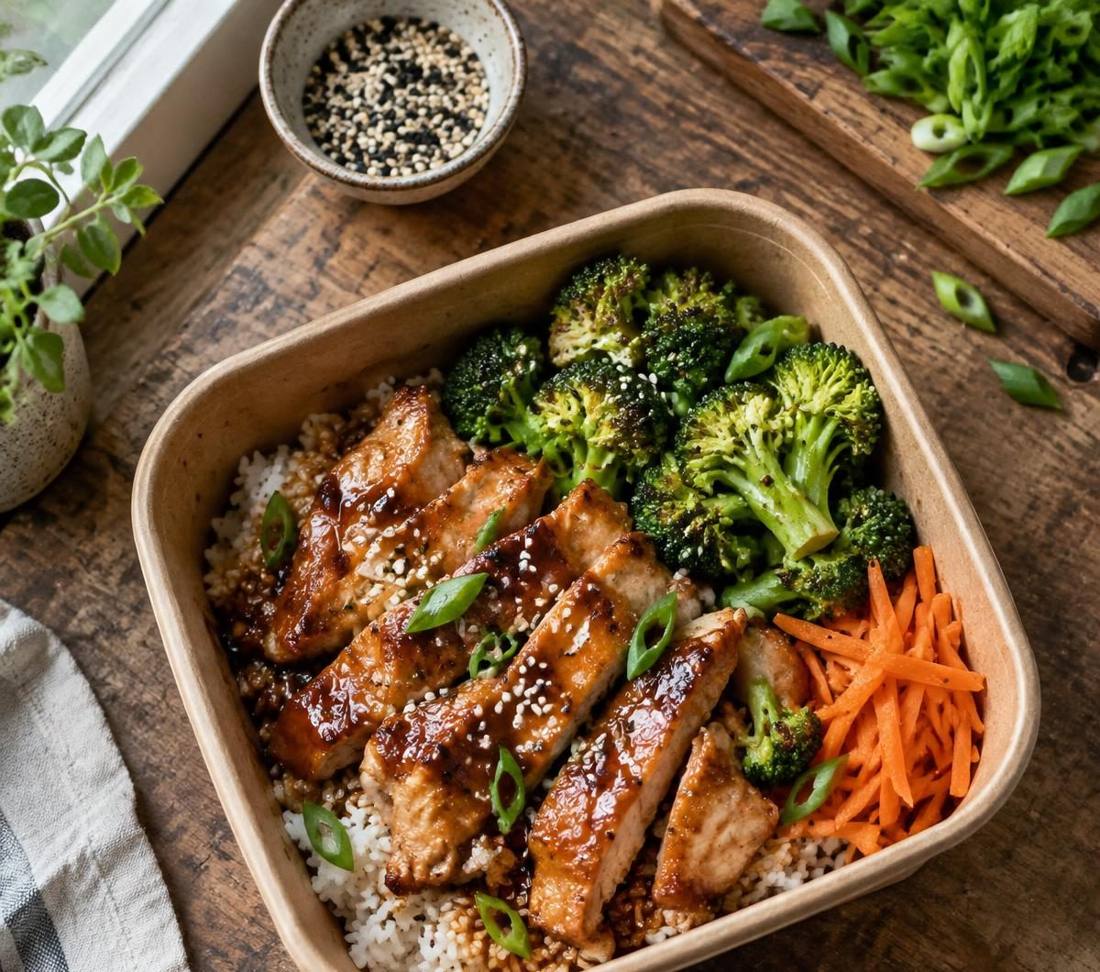
Chicken Teriyaki Bowl
1 serving
- Chicken breast180 g$2.15
- Rice150 g$0.42
- Vegetables100 g$0.65
- Teriyaki sauce40 ml$0.38
- Container + lid$0.55
You make
$8.84profit / serving
68.1%margin
↑ change the price, watch the profit
The honest version
Most people price a meal by looking at what the café down the road charges.
Then the chicken goes up 20% and nobody notices for three months. MealMargin shows you the number that matters: what's left after the food, the box and the fees.
Try it with a real bowl.
For one meal: box, lid, label, cutlery, bag.
Platform or payment fees, delivery share — for one meal.
What one customer pays, before any sales tax or VAT.
How many portions does this recipe make? Costs above are for the whole recipe.
Your numbers appear here.
Fill in your ingredients and selling price, then press Calculate my meal.
What if chicken goes up?
Suppliers change prices without telling you. Try the change before it lands on your invoice.
Current
$8.84
profit · 68.1% margin
Chicken +20%
$8.41
−$0.43 per serving · 64.7%
Compare the numbers side by side.
Save each meal once and compare profit and margin side by side. MealMargin reports the numbers. You decide what they mean.
With Pro, keep a price list of your ingredients. When chicken goes from $9.80 to $11.20 a kilo, change it once and every saved meal that uses it is re-costed.
Chicken Teriyaki Bowl
Beef Chilli & Rice
Salmon Poke
Illustrative numbers, per serving.
See your direct cost
Every ingredient, the packaging and the small extras — before you set the price.
See what each meal contributes
Profit per serving in plain money first. Margin, food cost and direct cost right beside it.
Price it on purpose
Pick the margin you want and see the price that gets you there.
Quick answers
How do you calculate meal profit?
Profit per serving = selling price per serving − direct cost per serving. Direct cost is ingredients, plus packaging, plus fees or delivery costs for that meal. A $12.99 bowl that costs $4.15 to make earns $8.84 before overhead.
What is food cost percentage?
Food cost % = ingredient cost per serving ÷ selling price × 100. The bowl above uses $3.60 of ingredients, so its food cost is 27.7%. Add the $0.55 box and its direct cost is 31.9%.
What is a healthy food cost percentage?
There isn't one healthy number for every business: rent, labour and order size all change it. What matters is that the profit left over covers your time, rent and fees.
How much should I charge for a meal?
Pick the margin you want, then: price = direct cost ÷ (1 − target margin). A $4.15 meal at a 60% target margin should sell for $10.38. Then check it against what your customers will pay.
Want the full formulas? How calculations work · Read the guides
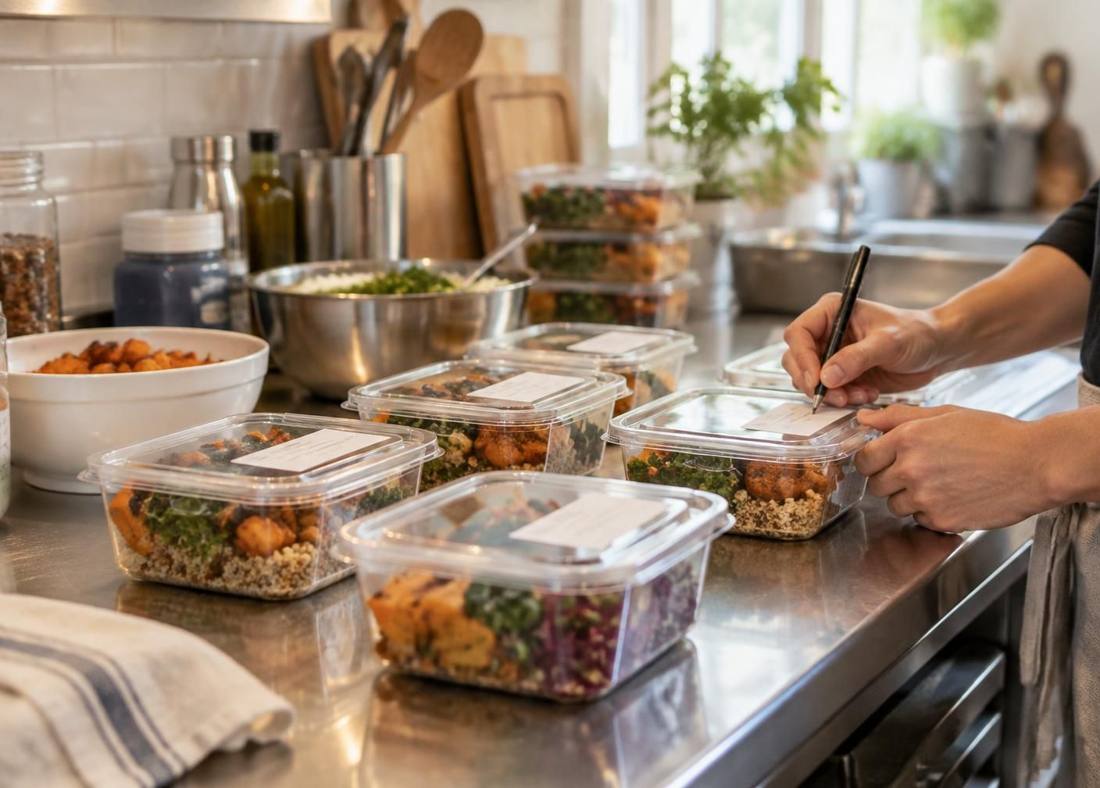
Built for people who sell food.
Same maths, different kitchens. Pick the page that sounds like you. Each one has a worked example.
- Meal-prep businessesPrice weekly boxes so every container pays its way.
- Caterers and private chefsCost a whole event per guest, then quote with confidence.
- Small restaurants and cafésCompare profit and margin across every dish.
- Food trucks and cloud kitchensInclude packaging and delivery fees, not just ingredients.
- Home food businessesTurn a family recipe into a price you can stand behind.
- Anyone checking food cost %Ingredients as a share of price, worked out for you.
What MealMargin doesn't do
No point of sale, stock counts, bookkeeping or staff rotas. It doesn't guess your supplier prices either. You enter what you pay, and it shows what each meal really earns. One job, done properly.
Your next price change should be a decision, not a guess.
Free for 5 calculations and 5 saved meals. Pro is $9 a month, or $79 a year, when you're costing a whole menu.